We are Not All Fish!
Fish, jelly fish, and star fish are all fish in common language, but should not be classified as so. All are commonly found aquatic organisms, but they are all different types of animals. The three marine groups are very diverse and can be found all over the world in various oceans, and have true tissues. But that’s where the similarities end, as each belong to their own phylum, or group, in the animal kingdom.
The first animal, the fish, belongs in the phylum Chordata. Chordates include vertebrates like fish, snakes, birds, and mammals. This means that the fish has vertebrae, bones, and the five other chordate features that unite them as a phylum. Fish also have a well-developed digestive system: prefect for carnivorous fish to eat prey.
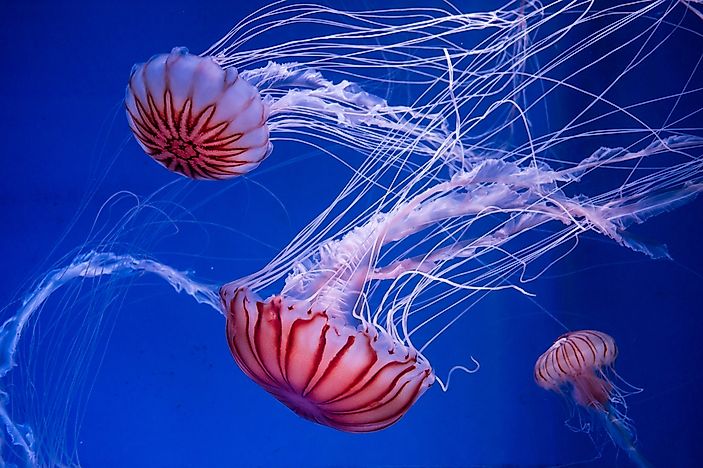
Jelly fish belong the phylum Cnidarian. Cnidarians include jelly fish, sea anemones, and corals. The group is characterized by their stinging cells, which allow them to protect themselves from predators. They have no eyes, or well-developed digestive system with organs. They lack vertebrae though, meaning they can't be considered fish.
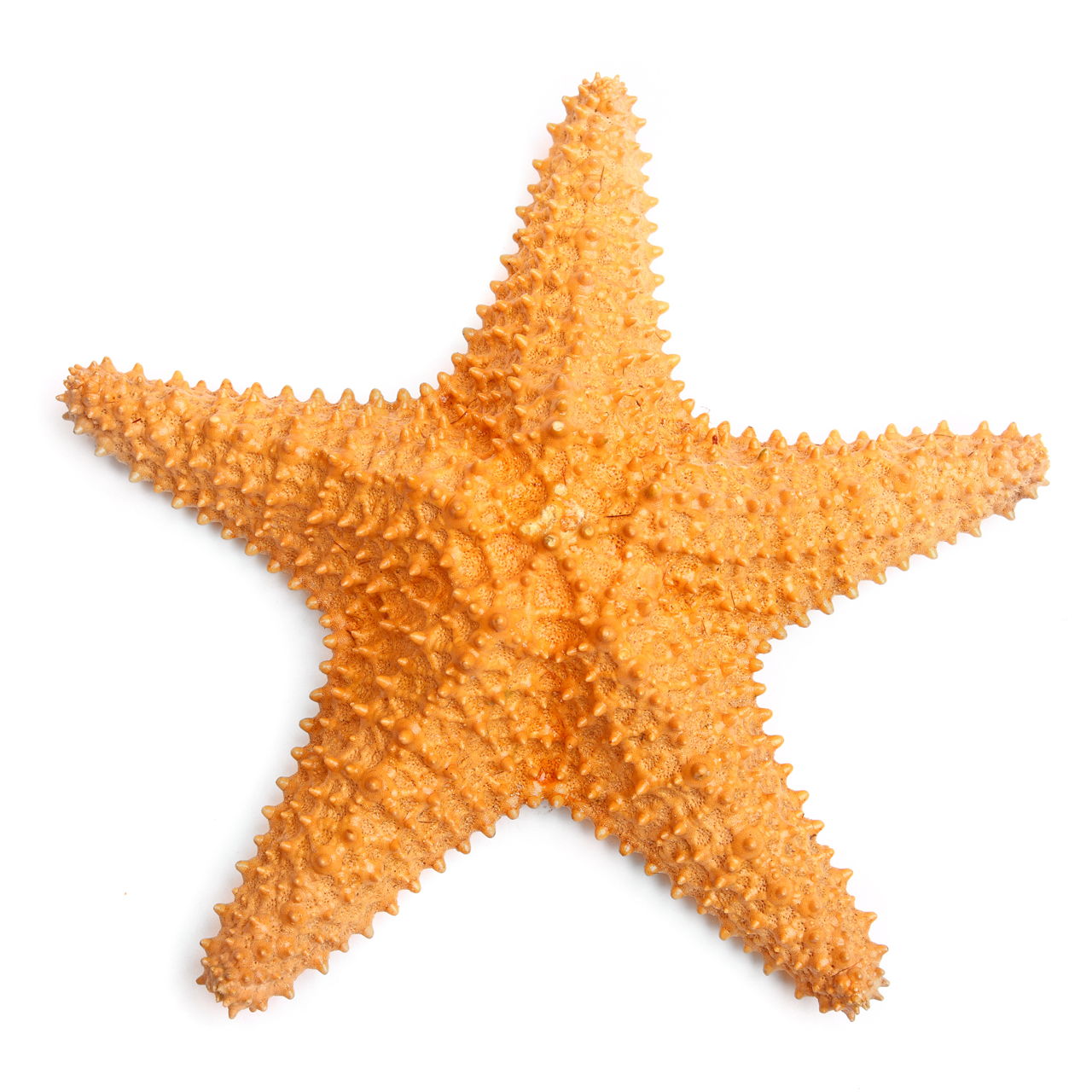
The last group, star fish, are echinoderms. This group includes sea urchins, star fish, brittle stars, and sea cucumbers. Star fish are carnivores, as are the other two can be, and have large mouths on the bottom of their bodies. They also have a well-developed digestive tract, but move using a water vascular system, which pulls water through the body to move their limbs. They lack vertebrae as well, meaning they can't be grouped with fish either!
Jellyfish, starfish, and fish are all ‘fish’, but not really. Based on anatomical differences, such as the vertebrae, these “fish” are not similar, and should not be considered fish, due to their different groups, vast array of body shape, and their different characteristics. Fish, jelly fish, and star fish are all amazing marine organisms, but not fish.
The first animal, the fish, belongs in the phylum Chordata. Chordates include vertebrates like fish, snakes, birds, and mammals. This means that the fish has vertebrae, bones, and the five other chordate features that unite them as a phylum. Fish also have a well-developed digestive system: prefect for carnivorous fish to eat prey.
Jelly fish belong the phylum Cnidarian. Cnidarians include jelly fish, sea anemones, and corals. The group is characterized by their stinging cells, which allow them to protect themselves from predators. They have no eyes, or well-developed digestive system with organs. They lack vertebrae though, meaning they can't be considered fish.
The last group, star fish, are echinoderms. This group includes sea urchins, star fish, brittle stars, and sea cucumbers. Star fish are carnivores, as are the other two can be, and have large mouths on the bottom of their bodies. They also have a well-developed digestive tract, but move using a water vascular system, which pulls water through the body to move their limbs. They lack vertebrae as well, meaning they can't be grouped with fish either!
Jellyfish, starfish, and fish are all ‘fish’, but not really. Based on anatomical differences, such as the vertebrae, these “fish” are not similar, and should not be considered fish, due to their different groups, vast array of body shape, and their different characteristics. Fish, jelly fish, and star fish are all amazing marine organisms, but not fish.


Comments
Post a Comment